Afghanistan is a country of striking contrasts, where dramatic mountain landscapes and traditional marketplaces exist alongside the long-term effects of decades of instability. With a rich and ancient cultural heritage, the nation’s modern journey has been shaped by significant political and social changes that continue to influence everyday life.
During the mid-20th century, particularly in the 1960s and 1970s, Afghanistan experienced a period of modernization and relative openness. Urban centers such as Kabul saw growth in education, media, arts, and professional life. Women participated actively in public spaces, pursued higher education, and worked across a range of fields. Cultural expression, from music to literature, was visible and widely embraced.
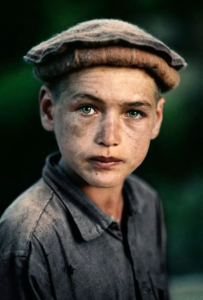
Over time, prolonged conflict and shifting governance structures disrupted this progress. Economic challenges increased, social opportunities narrowed, and many cultural and educational spaces became more limited. These transitions had a lasting impact on personal freedoms, access to education, and overall social development.
Today, Afghanistan stands as a powerful example of how history, stability, and institutions shape a society’s trajectory. For international observers, it offers an important reminder of the value of peace, education, and individual opportunity—elements that play a critical role in building resilient and forward-looking communities.